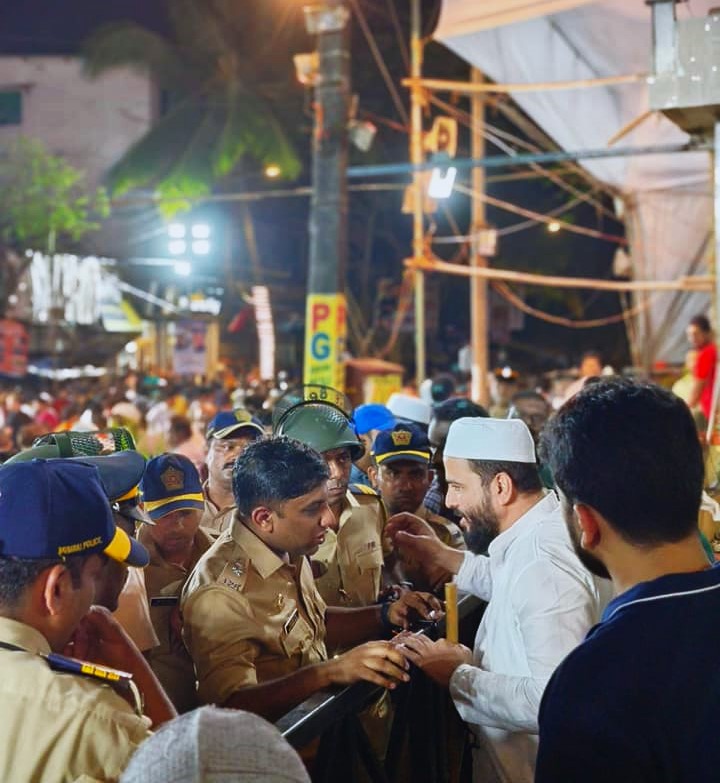
Charismatic Visionary | Social Reformer | Legal Activist | Entrepreneur | Philanthropist
Muhammad Jamil K. Merchant
Early Life & Background
Born on 12th May 1976 in Bangalore, Karnataka, Muhammad Jamil K. Merchant is a living testament to resilience, grit, and conviction. At the age of 10, his family migrated to Mumbai, living in a 10x15 rented kholi in Malvani, a slum known for its harsh conditions. His early life was painted with the struggles of poverty, jobless nights, and community tensions, yet it forged a spirit unbreakable and a soul deeply committed to justice.
Surrounded by devout parents and siblings who endured relentless hardships, Jamil learned early that dignity, not desperation, would define his path. As a teenager, he took up odd jobs—salesman, plumber, welder, AC technician—not out of compulsion but pride. Later, he opened a modest shoe shop at Malvani Gate No. 5, marking the beginning of his entrepreneurial and social journey.
Even amidst poverty, his charming persona, fearless speech, and magnetic leadership made him stand out. He was never afraid to challenge bullies or corrupt powers, even when it meant facing violence or jail.

Education & Self-Empowerment
Though he never followed a conventional academic path, Jamil is a self-made intellectual, learning from the streets, libraries, courtrooms, and activism. He is exceptionally techsavvy, handling advanced digital systems, gadgets, and media setups with the ease of a trained professional.
Jamil's ideological grounding stems from Dr. Babasaheb Ambedkar, Maulana Abul Kalam Azad, Bhagat Singh, and the just leadership of Prophet Muhammad (S.A.W), Hazrat Umar, and Hazrat Ali. He not only studied them but embodied their essence—justice, resistance, and righteousness.
Personal Life
In 2003, Jamil married and went on to become the proud father of three daughters, whose futures remain his greatest priority. His lived experience in Mumbai's most disenfranchised areas gives him a raw understanding of poverty, discrimination, and urban decay.
A fan of cricket, chess, and pool, Jamil balances his activism with moments of reflection and recreation. His religious grounding, especially his affection for the Ahlul Bayt, deeply informs his ethical framework.
Even amidst poverty, his charming persona, fearless speech, and magnetic leadership made him stand out. He was never afraid to challenge bullies or corrupt powers, even when it meant facing violence or jail.
Social Work & Philanthropy
Driven by an unshakable commitment to uplift the downtrodden, Jamil formalized his activism through the creation of two key platforms:
- Jago Bharat Trust (2005)
- Jamil Merchant Foundation (2014)
True to his beliefs, Jamil never sought media coverage— believing that genuine service requires no spotlight.
Core Focus Areas
Education & Scholarships
Supported 2,000+ students across Maharashtra, especially in higher education.
Legal Aid for the Oppressed
Filed PILs, conducted legal awareness workshops, and led street-level justice movements.
Disaster Relief Work
2005 Mumbai floods: Led massive relief operations—food, fogging, medical camps, clothing.
Post-26/11: Organized blood donation and counselling drives.
Madrasas Reimagined
Founded Masjid-e-Ali and Masjid-e-Maryam, modern Islamic institutions educating 1,600+ children with both religious and modern curriculam.
Political Journey
Republican Party of India (1999–2001)
Appointed Mumbai President (Joginder Kawade Faction), he became the youth face of Ambedkarite protests across Maharashtra, building a base among the working class, Dalits, and Muslims.
Samajwadi Party (2006–2007)
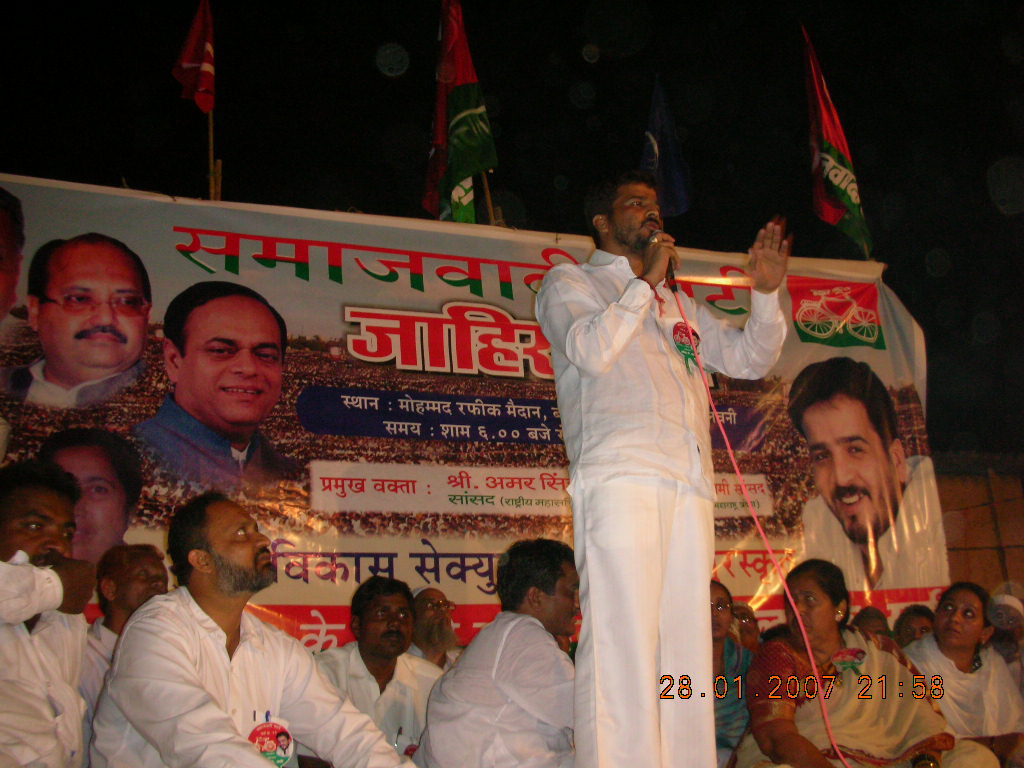
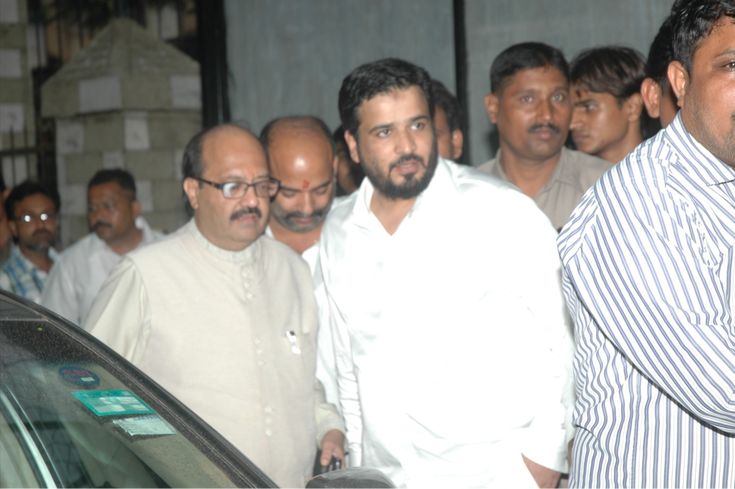
He served as Mumbai General Secretary and later President of the Mulayam Singh Youth Brigade. Contested the 2007 BMC Elections (Ward 43), narrowly lost due to widespread bogus voting and state-sponsored tampering. He was jailed during the election campaign, but emerged stronger. He then quit the politics and focused on his philanthropic and business journey.
Controversies & Legal Struggles
1. Slapping Arun Shourie (2000)
At just 24, Jamil slapped Union Minister Arun Shourie at an event in protest of his book Worshipping False Gods, which insulted Ambedkar. It became a national news story.
2. Bar Todo Andolan (2001)
Jamil spearheaded a radical campaign to shut down illegal dance bars, exposing underage trafficking, drug culture, and domestic abuse. Spent 4 months and 10 days in jail, with multiple FIRs filed.
3. Eid Hoarding Arrest (2007)
Framed in a false case involving hoardings under political vendetta. Arrested during Eid— highlighting his growing threat to entrenched powers.
4. Mosque & Land Disputes (2018-2023)
As trustee of Masjid-e-Hazrat Maryam, Jamil received a Collector’s demolition notice. He fought back with Waqf records, unmasking political motives and halting the demolition. As trustee of Hazrat Ali Masjid he Defended the masjid trust's waqf land from political goons who were claiming that this is illegal masjid. But Jamil Merchant defended with legal documentation and halted this malicious campaign against Masjid e Hazrat Ali.
5. Ram Navami Riot Case (2023)
During Ram Navmi Shobha Yatra in Malvani, he helped defuse communal tensions in Savera Heights Compound on the request of Police officials for which officials thanked him also., Later police falsely named him in the FIR under the pressure of political leaders. He fought bravely and got bail not just for him, but due to his case proceeding other Muslim youth also get release on bail.
6. Nitesh Rane Hate Speech Case (2024)
Filed a writ petition in the Supreme Court against BJP MLA Nitesh Rane in Malwani Rally for inciting communal hatred. The petition called for criminal prosecution and legal reforms.
7. PILs in 2025
- Malvani Lagoon road to Evershine Nagar Bridge Demolition: Filed PIL against BMC which stopped bikers access to the bridge without providing alternatives. - Waqf (Amendment) Act, 2025: One of the 5 petitioners listed by the Supreme Court challenging inclusion of non-Muslims on Waqf Boards, government overreach, and violation of constitutional protections
Key Issues & Advocacy
- Dalit, Adivasi & Muslim Rights
- Constitutional Protection – “Samvidhan Hateyga, Desh Bateyga” Campaign
- Infrastructural Upliftment – Masjids, Hospitals, Education Scholarships.
- Anti-Hate Speech Legislation
- Youth Empowerment through MSME and Start-up and guidance.
Entrepreneurship & Economic Empowerment
Jamil Merchant personally mentors young entrepreneurs, helping them launch MSMEs and navigate funding, documentation, and growth—especially those from slums, SC/ST, and minority backgrounds. From poverty to prosperity, Jamil’s entrepreneurial ventures now create employment for hundreds:
- PASS Multimedia Pvt. Ltd.
- Merchant Group
- Merchant Banquet – Malad's Premier Event Destination
Vision & Future Endeavours
Jamil envisions a socially conscious, economically empowered, and legally literate community. His dreams include:
- A World-Class Multi-Sports Facility in Malad.
- Integrated School & College for Slum Children.
- A Charitable State-of-the-Art Hospital in the area.
- A Law College for Grassroots Justice.
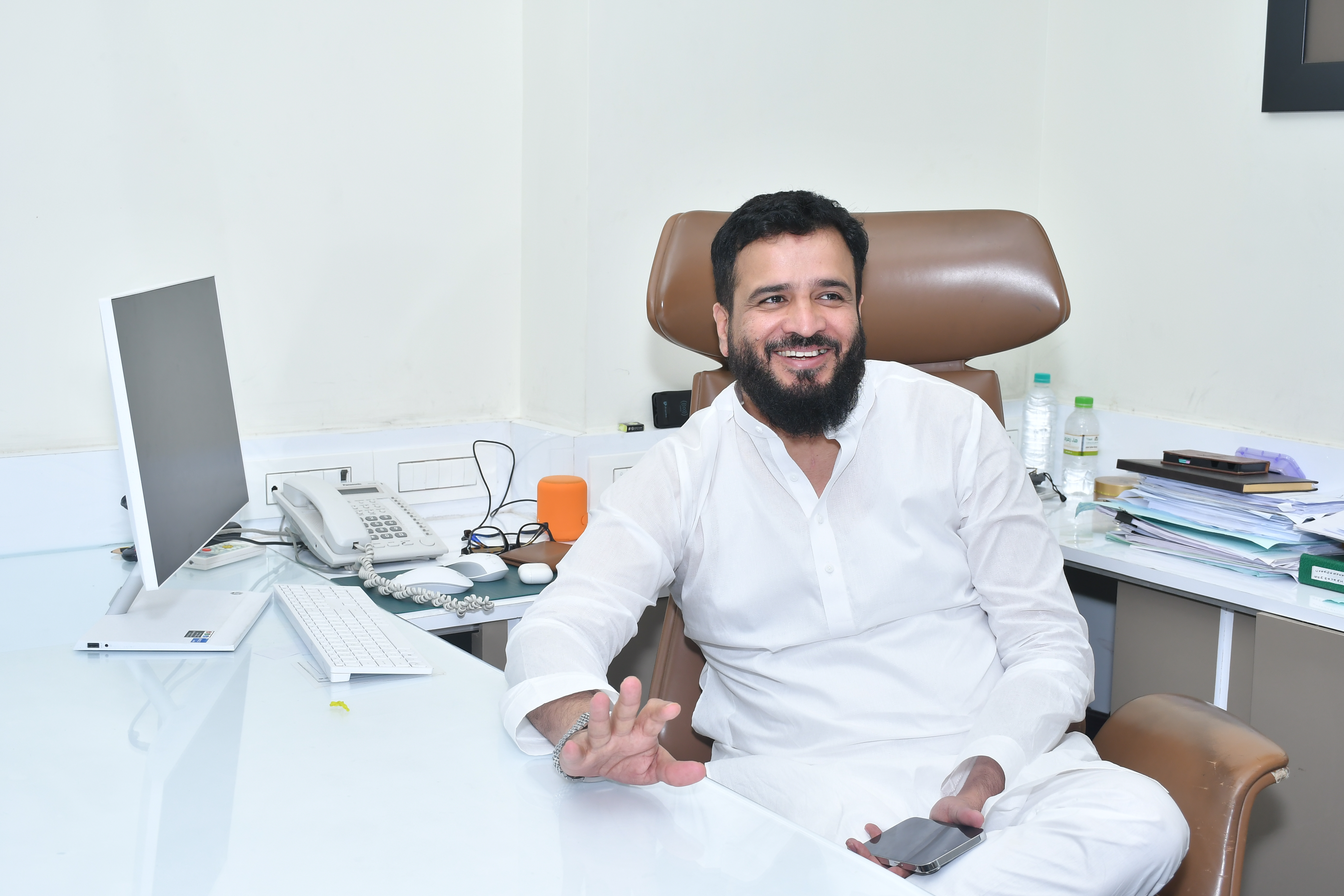
"My journey is not measured by miles, but by the battles I chose to fight for the voiceless." From Malvani to the courts, Jamil Merchant's story is one of resistance, redemption, and relentless service for communities that too often stand alone.
Key Journey Events
Milestones from struggle to public leadership
This timeline follows the major turning points from his early migration to Mumbai, political activism, foundation work, legal battles, and current public advocacy.
Born in Bangalore, Karnataka
Born on 12 May 1976, he later moved with his family to Mumbai and grew up amid the hardships of Malvani’s slum life.
Migrated to Malvani, Mumbai
At the age of 10, he began life in a small rented kholi in Malvani, witnessing poverty, insecurity, and the struggles of working families.
Mumbai President of RPI
Became Mumbai President of the Republican Party of India (Joginder Kawade faction) and emerged as a youth voice in Ambedkarite movements.
Slapping Arun Shourie
At the age of 24, he slapped Union Minister Arun Shourie during a public event in protest against remarks perceived as insulting Baba Saheb Ambedkar.
Bar Todo Andolan
Led a campaign against illegal dance bars and spent more than four months in jail during the movement against exploitation and criminal activity.
Marriage and Family Life
Married in 2003 and later became the father of three daughters while continuing his social and legal activism.
Founded Jago Bharat Trust
Established Jago Bharat Trust and led large-scale relief work during the 26 July Mumbai floods, including food, medical aid, and rehabilitation support.
Joined Samajwadi Party
Entered mainstream politics by joining the Samajwadi Party while continuing grassroots social and community initiatives.
Anjuman Jama Masjid Protest
Led protests demanding reconstruction of the damaged wall near Gate No. 3 of Anjuman Jama Masjid to ensure public safety and access.
Contested BMC Elections
Contested the BMC elections from Ward 43 and narrowly lost amid allegations of unfair political practices and manipulation.
Hoarding Issue and Jail Term
Was allegedly falsely implicated in a political hoarding-related case and spent nearly two months in jail during the dispute.
Hospital Renovation Petition
Filed a petition in the High Court for inspection and renovation of Maulana Abul Kalam Azad Hospital, the only maternity hospital serving Malvani.
Received Social Service Award
Honored by the All India Ulema Board for social service contributions and temporarily stepped away from active politics.
Established Jamil Merchant Foundation
Expanded welfare activities through scholarships, legal aid, youth guidance, educational support, and religious institution assistance.
Defended Hazrat Ali Masjid
Actively defended Hazrat Ali Masjid against political allegations through legal records, public advocacy, and community mobilization.
Mosque & Land Controversies
Fought against demolition notices issued to Masjid-e-Hazrat Maryam using Waqf records and legal documentation.
Ram Navami Riot Case
Was allegedly falsely accused during the Ram Navami riots, later secured bail, and initiated legal proceedings against officials involved.
Nitesh Rane Hate Speech - Supreme Court Petition
Filed a petition in the Supreme Court against alleged hate speech delivered in Malvani, seeking accountability and legal action.
High Court Public Interest Petitions
Filed petitions in the High Court addressing civic issues, public accountability, and matters concerning community welfare and infrastructure.
Petition on Waqf Amendment Act & Other PILs
Challenged provisions of the Waqf Amendment Act through legal proceedings aimed at protecting religious and community institutions.
Achievements & Awards
- From Malwani to South Africa — Delivering Food and Medical Aid to Children
- Top 5 Petitioners in Waqf Bill Cases – Supreme Court and Bombay High Court
- Social Service Award (2007) – by All India Ulema Board
- Relief Hero Honor (2005) – by Movement for Peace and Justice
- Grassroots Activism - by Maharashtra Minority Commission
- Relief Hero Honor (2005) – Awarded to Jago Bharat Trust by Movement for Peaceand Justice at Radio Club, Mumbai, for exceptional service during and after the 26th July floods.
Public Events & Moments of Service
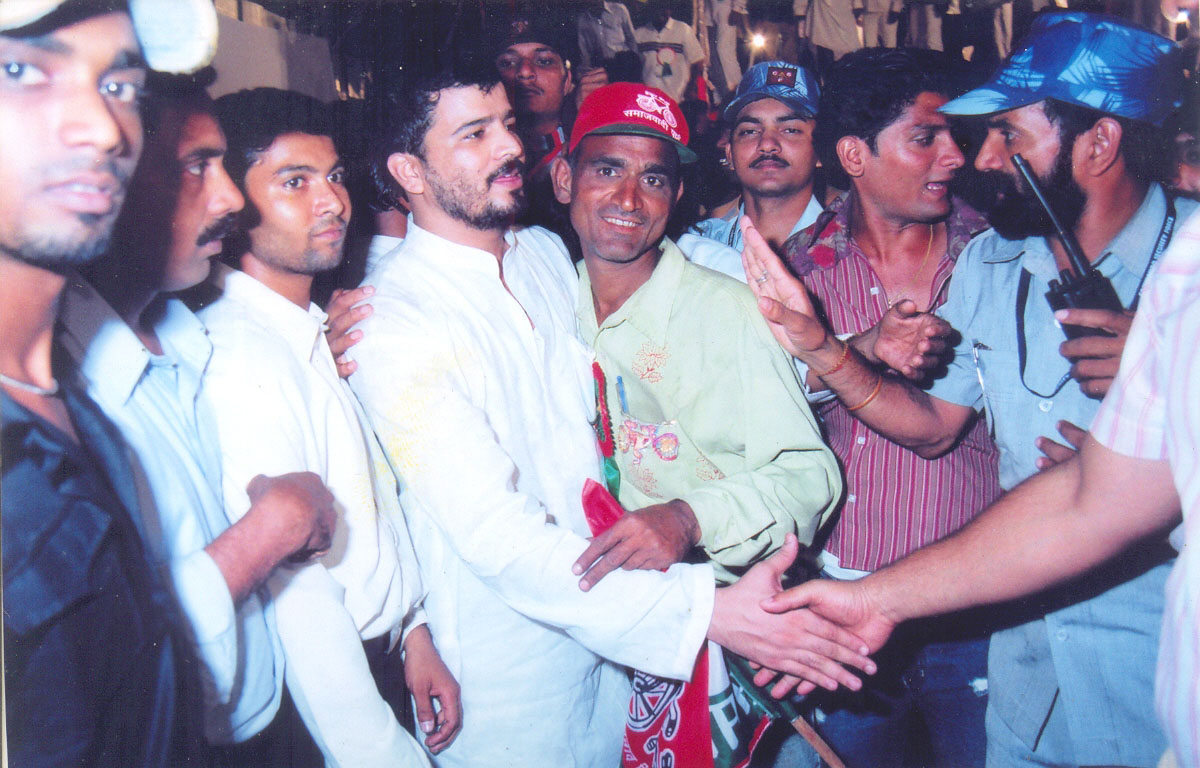
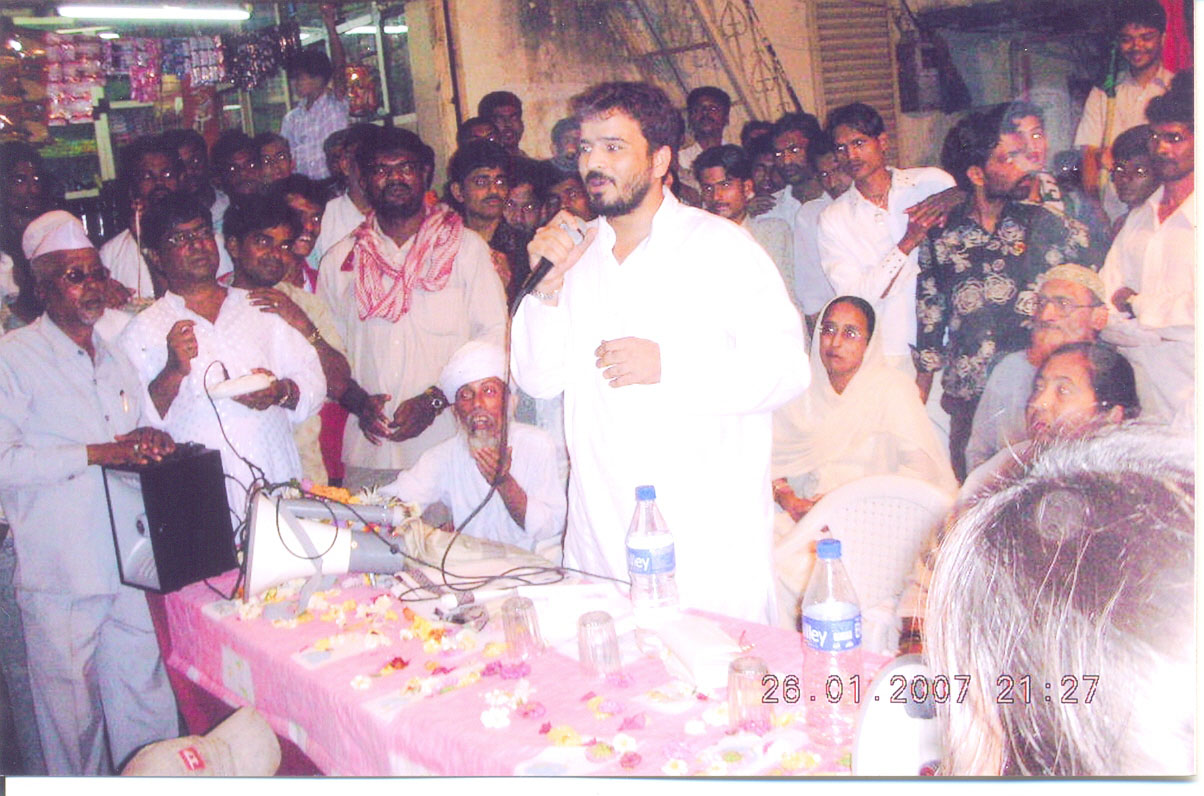
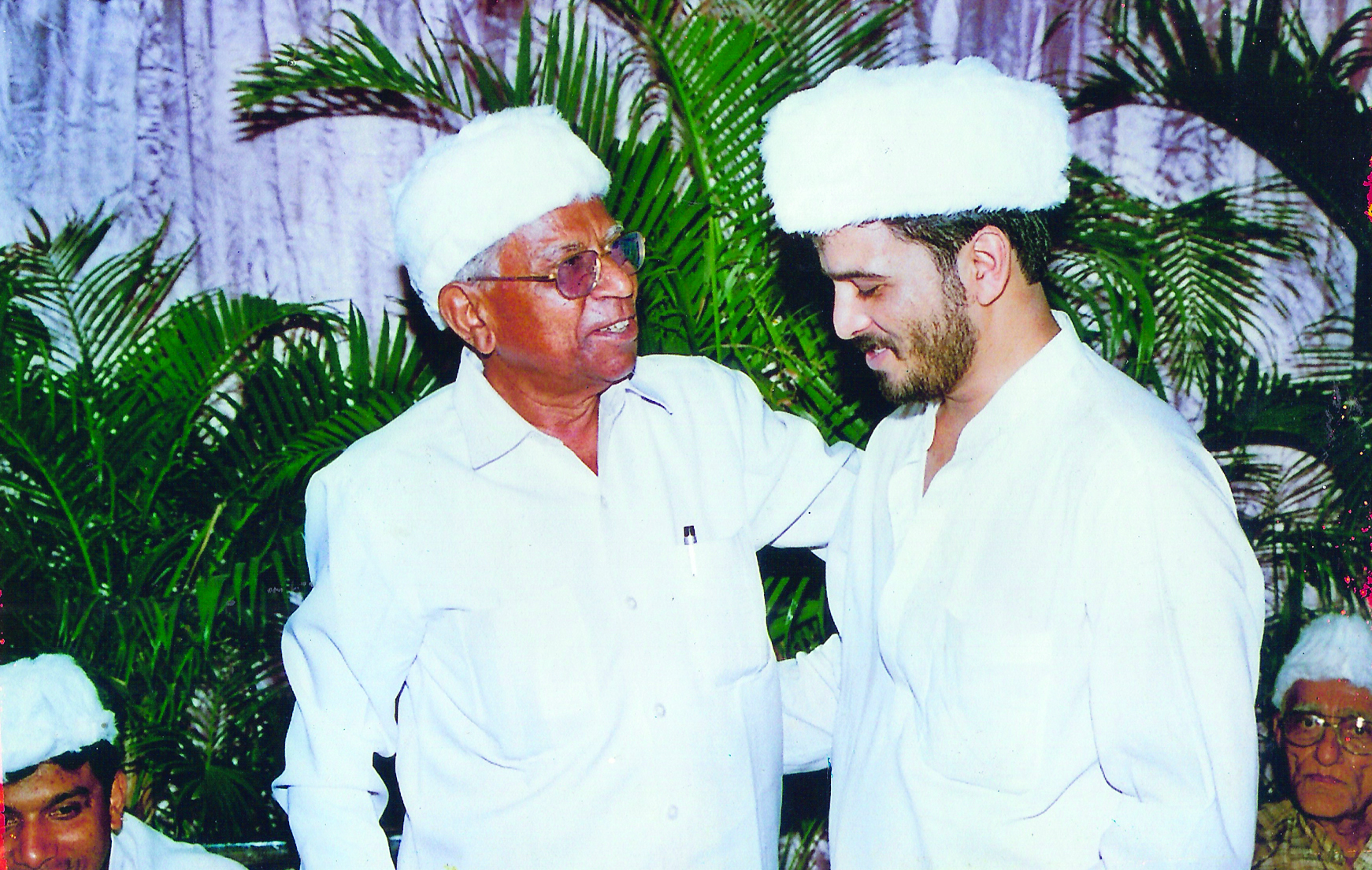
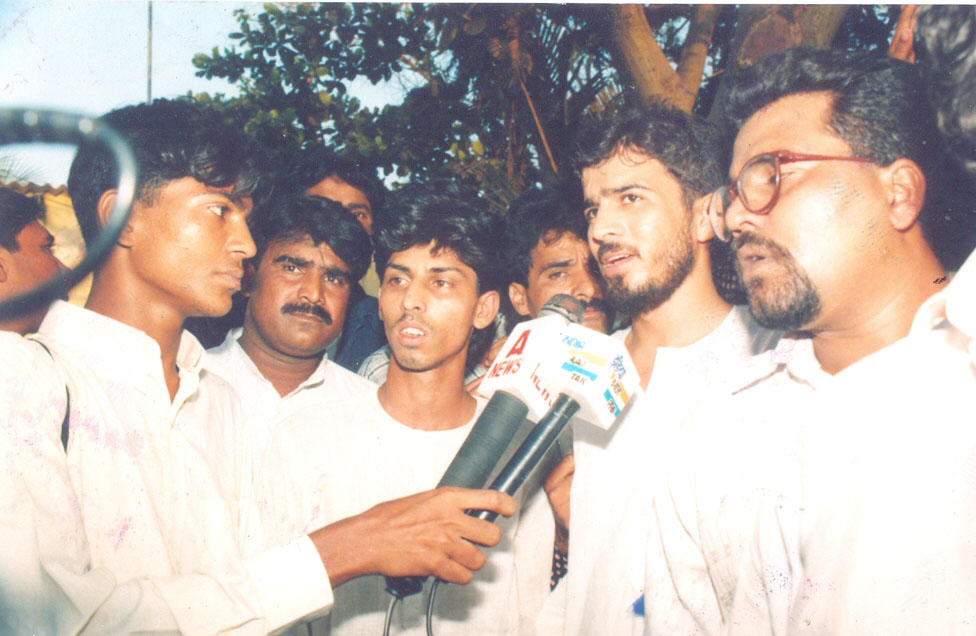
Snapshots from meetings, movements, service, and solidarity.
This visual story reflects the kind of politics Jamil Merchant stands for: among the people, inside the issue, and ready to work where attention is urgently needed.